
.avif)
Reheating kitchen



Reheating Kitchens: Modular Solutions and Commercial Kitchen Rentals
The reheating kitchen is a key component of the organization of institutional food service, particularly in schools, healthcare and social service facilities, hospitals, and other service sector establishments. It operates within a system where meal production is centralized and separate from the point of consumption, ensuring food safety, taste quality, and continuity of service.
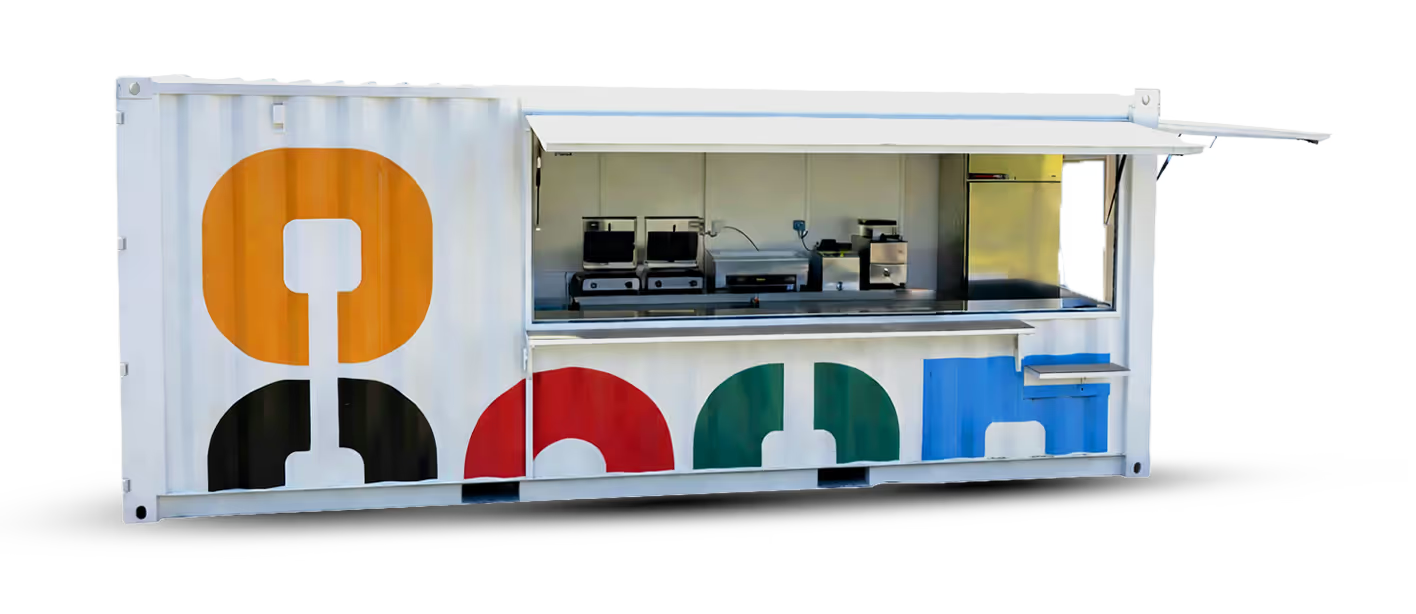
At LocaCuisines, we work with our clients to design and install modular kitchens tailored to each specific setting, number of guests, and technical constraints.
What is a reheating kitchen?
A reheating kitchen is a professional space designed to receive meals that have already been cooked, rapidly cooled after preparation, and then delivered on-site to be reheated before service.
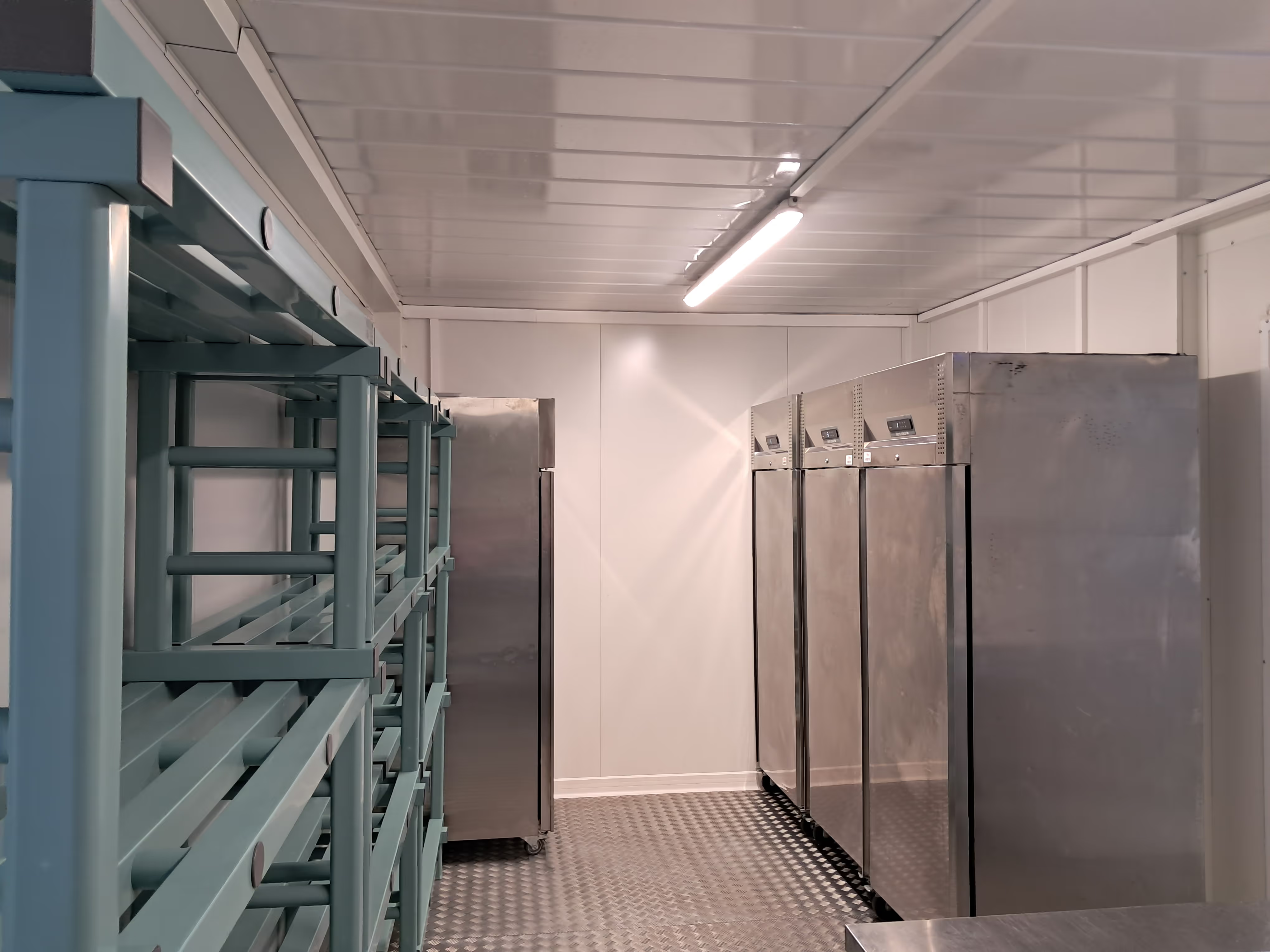
Specifically, the dishes are prepared in a central kitchen, cooled to +3°C in a blast chiller to halt bacterial growth, transported via a cold chain to satellite locations, and then stored in cold storage rooms. On site, they are reheated to a minimum core temperature of +63°C and kept warm in warming cabinets or bain-maries until they are served.
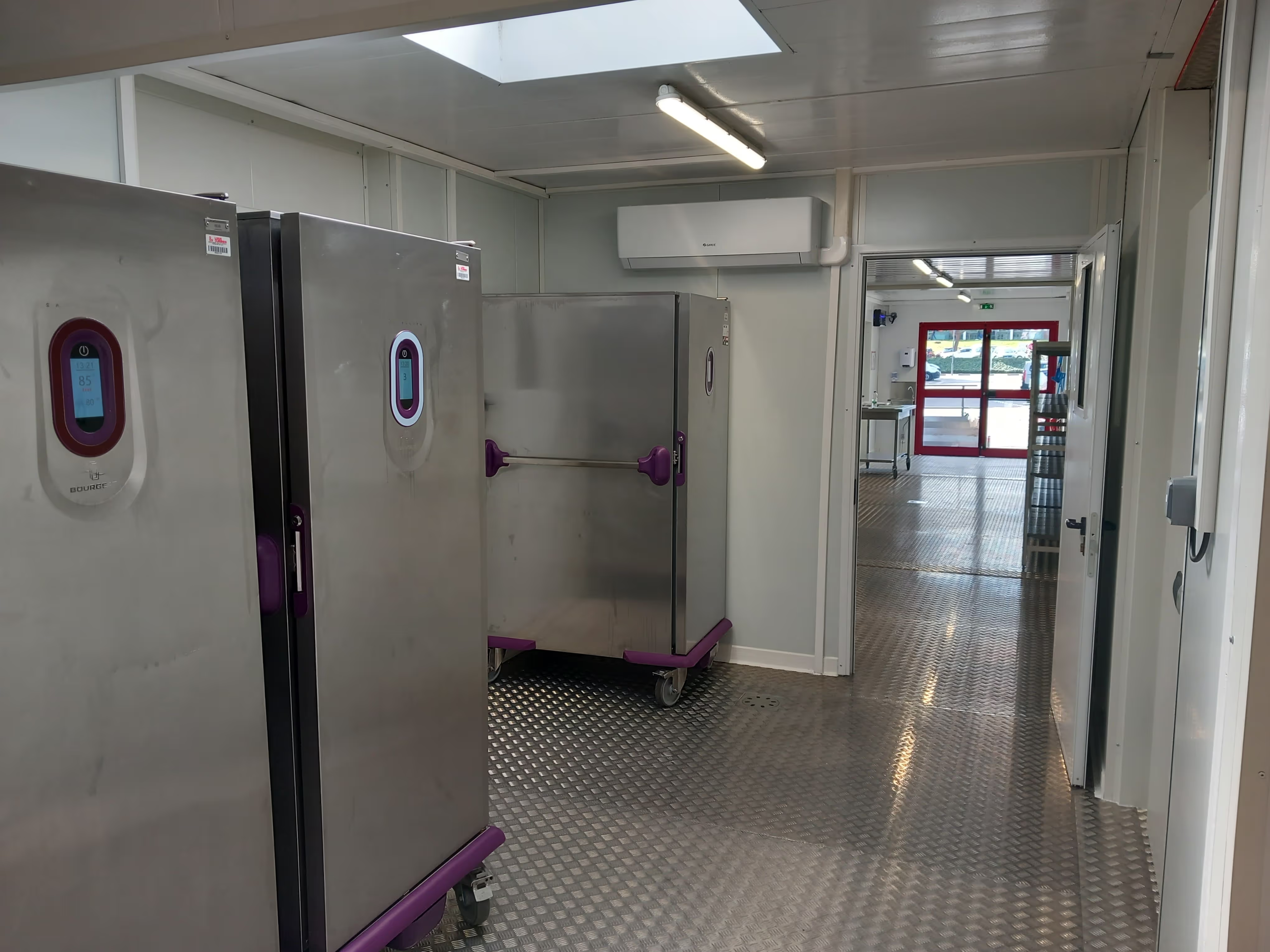
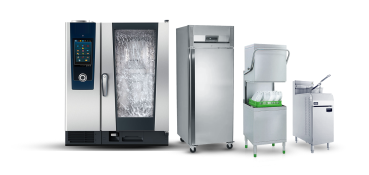
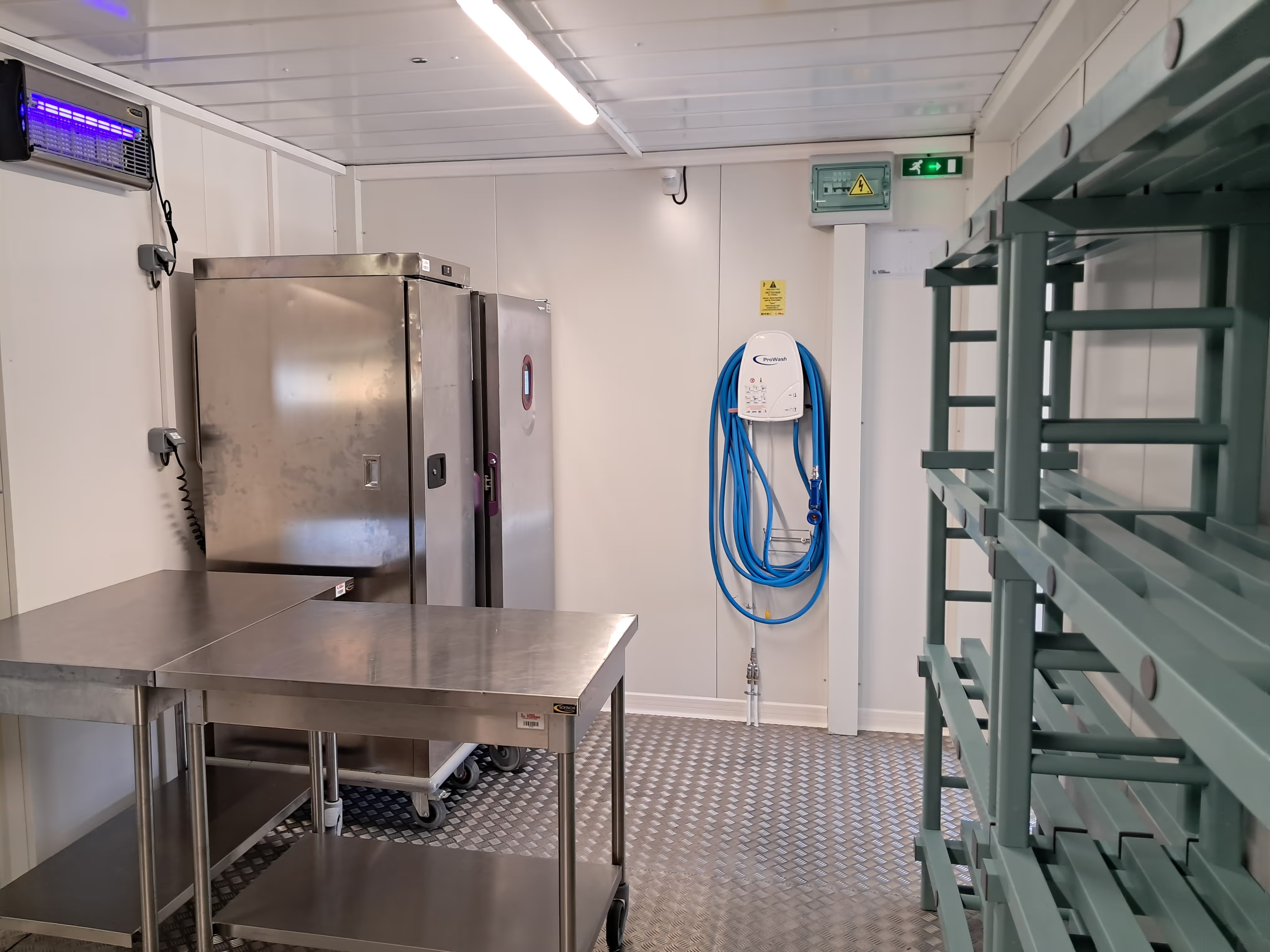
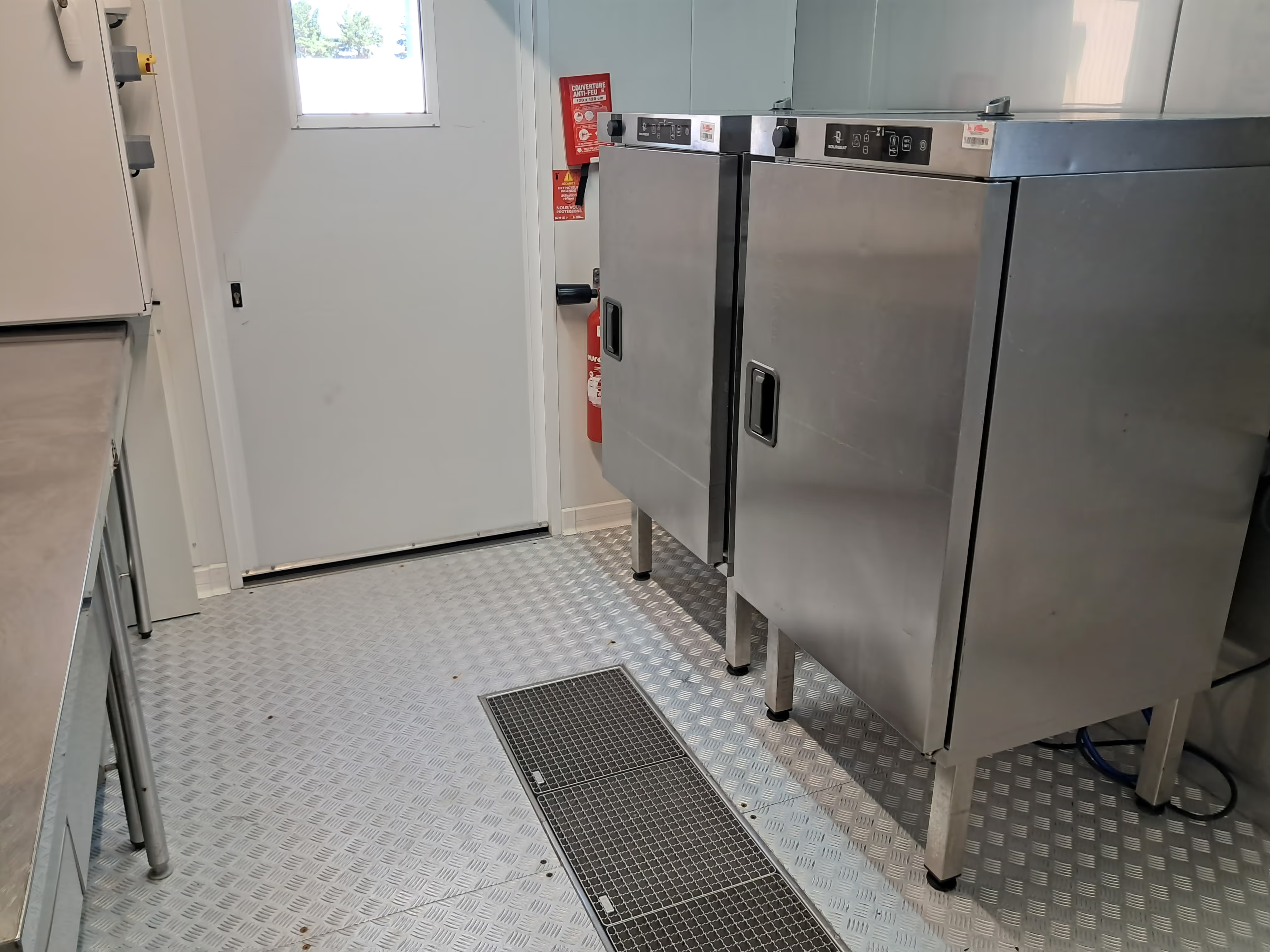
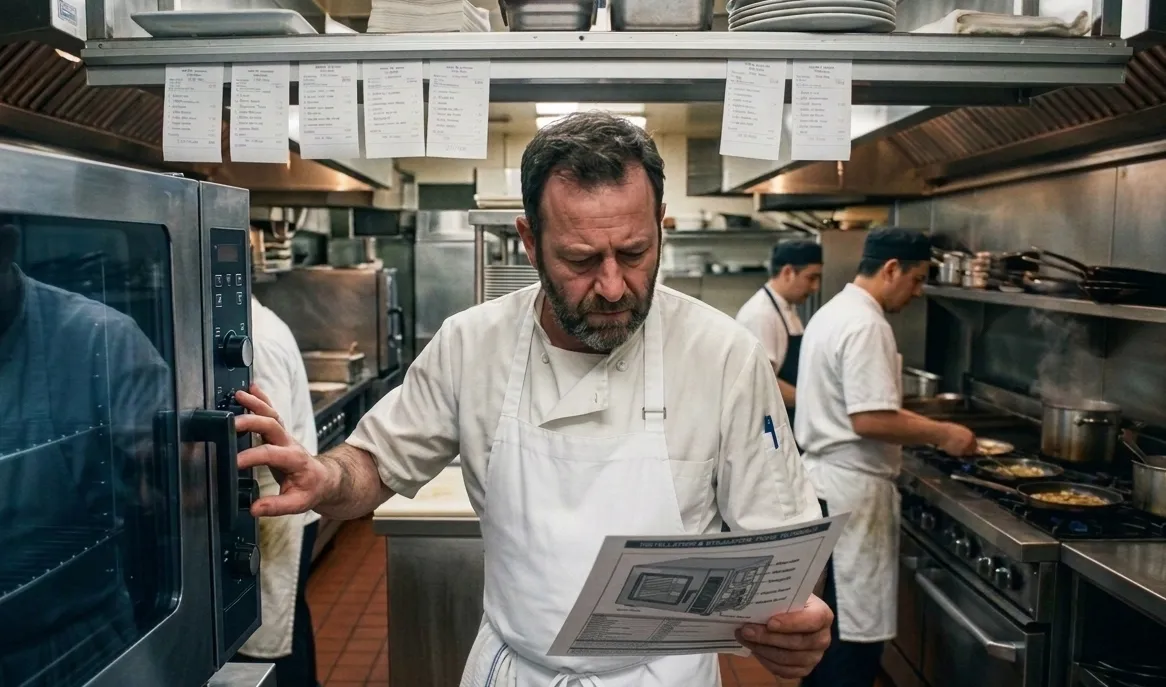
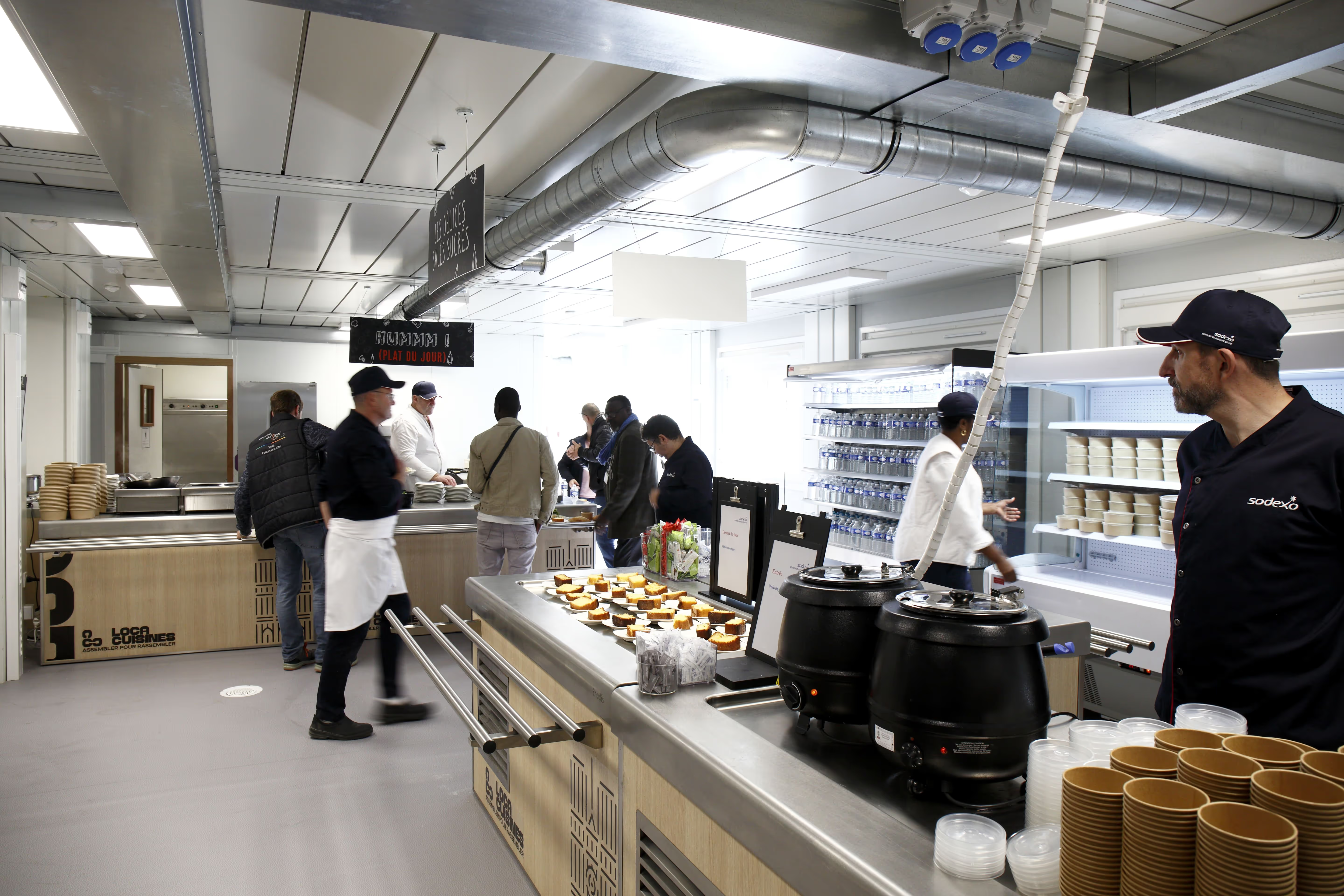
Equipment for a reheating kitchen typically includes: convection or steam reheating ovens, ventilated holding cabinets, positive and negative temperature storage units, stainless steel work surfaces with plating areas, sinks and washing stations designed for this purpose, as well as temperature tracking systems.
It does not process raw ingredients and focuses on food safety, the efficiency of service, and the quality of the meals served.
In what situations is a reheating kitchen used?
This type of kitchen is used when food service operations are based on centralized production. These are often sites where multiple facilities rely on a central kitchen, such as multi-site school districts, nursing homes affiliated with a hospital, local governments pooling their food production, or companies with multiple locations.
It is also suitable for facilities where space or architectural constraints prevent the installation of a full kitchen: space limitations, the inability to install powerful exhaust systems, and limitations in utility infrastructure.
The goal is to ensure a safe hot meal service while minimizing investment in heavy equipment and simplifying on-site staff management.
Differences from a production kitchen and the role of the cold chain
The production kitchen
The production kitchen manages all stages of meal preparation, from receiving raw ingredients to packaging and shipping.
It requires specific technical areas: vegetable preparation, cutting, high-temperature cooking, commercial ovens, dishwashing stations, and waste management systems. It also involves large teams and complex workflows to simultaneously manage production, cooling, and shipping.
The Reheating Kitchen
In contrast, the reheating facility is involved only in the final stage. It does not prepare the meals or handle long cooking times.
It consists primarily of: ventilated or steam-heated reheating ovens, ventilated holding cabinets to keep dishes warm, positive and negative temperature storage units, stainless steel work surfaces for plating, sinks designed for washing and sanitizing, and systems for tracking temperatures and workflow.
Why choose a modular solution?
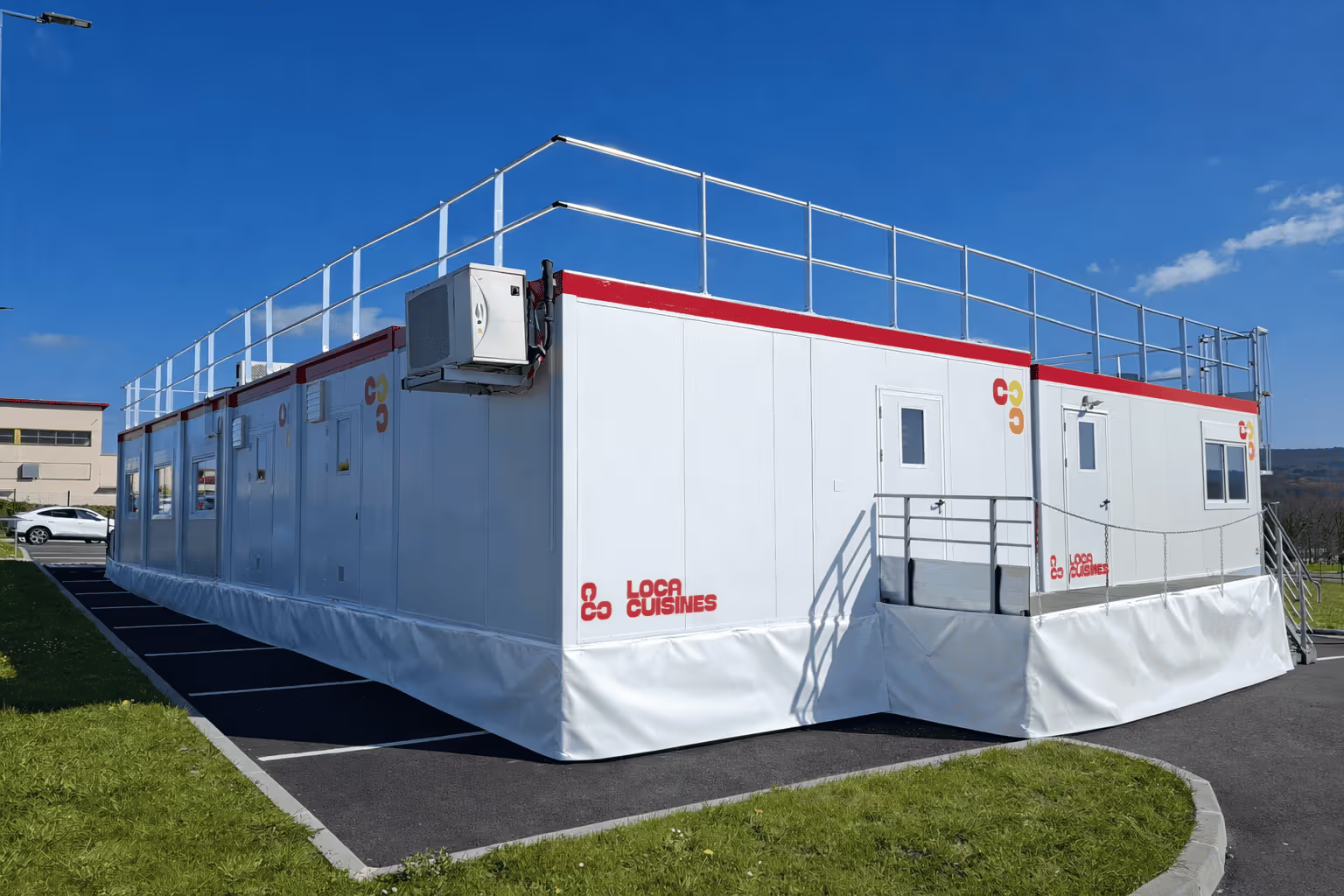
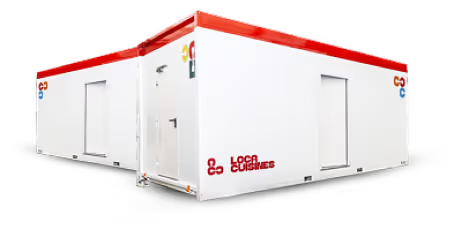
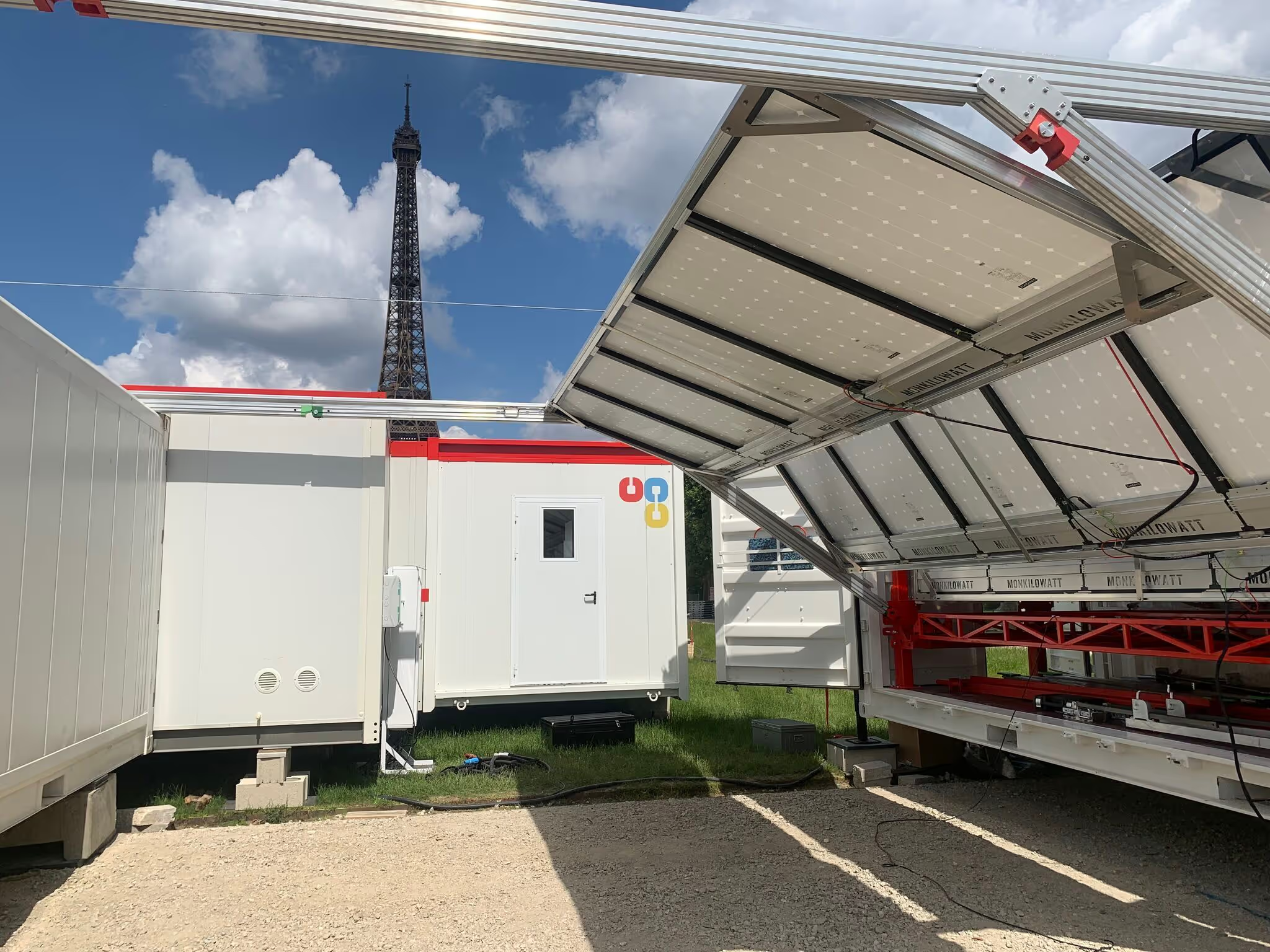
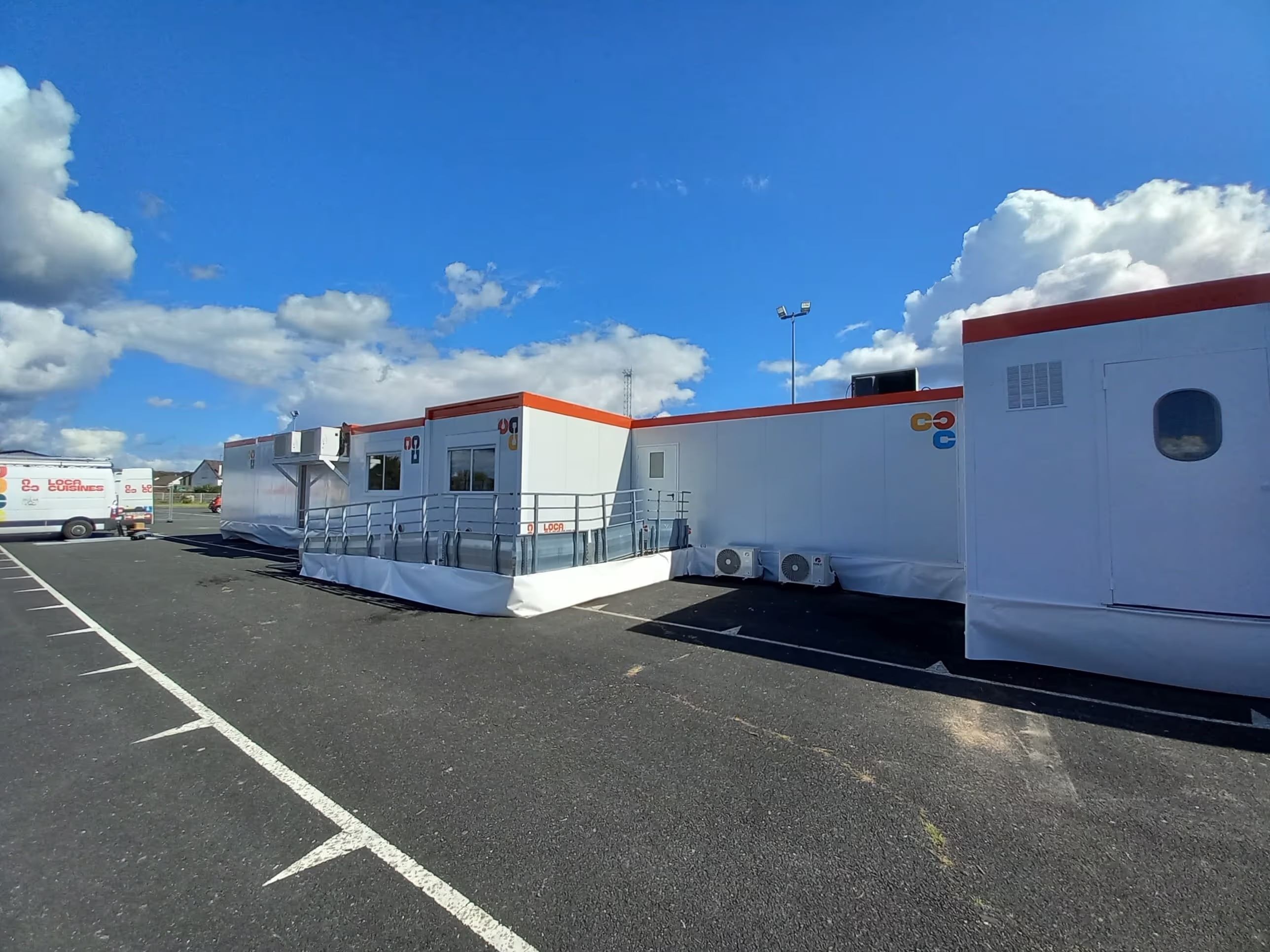
Installing a modular reheating kitchen is particularly well-suited for situations involving construction, temporary expansions, or occasional increases in the number of guests. It allows service to continue quickly, with a custom-sized configuration.
At LocaCuisines, the modules are configured based on the number of meals served, the site’s technical constraints, the duration of the need, and the organization of the teams.
The number of modules can be adjusted, and kitchen equipment can be customized: additional ovens, additional cabinets, additional cold storage rooms, wider countertops, and expanded plating areas. This flexibility is crucial for meeting changing needs and operational constraints.
To determine the appropriate size for your reheating station and assess your modular needs, contact our experts.
Sizing and Adaptation to Volumes
The design of a reheating kitchen is not limited to the number of guests. It takes into account the simultaneous nature of service, the packaging of dishes, site constraints, staff organization, and the flexibility needed to handle peak periods of activity.
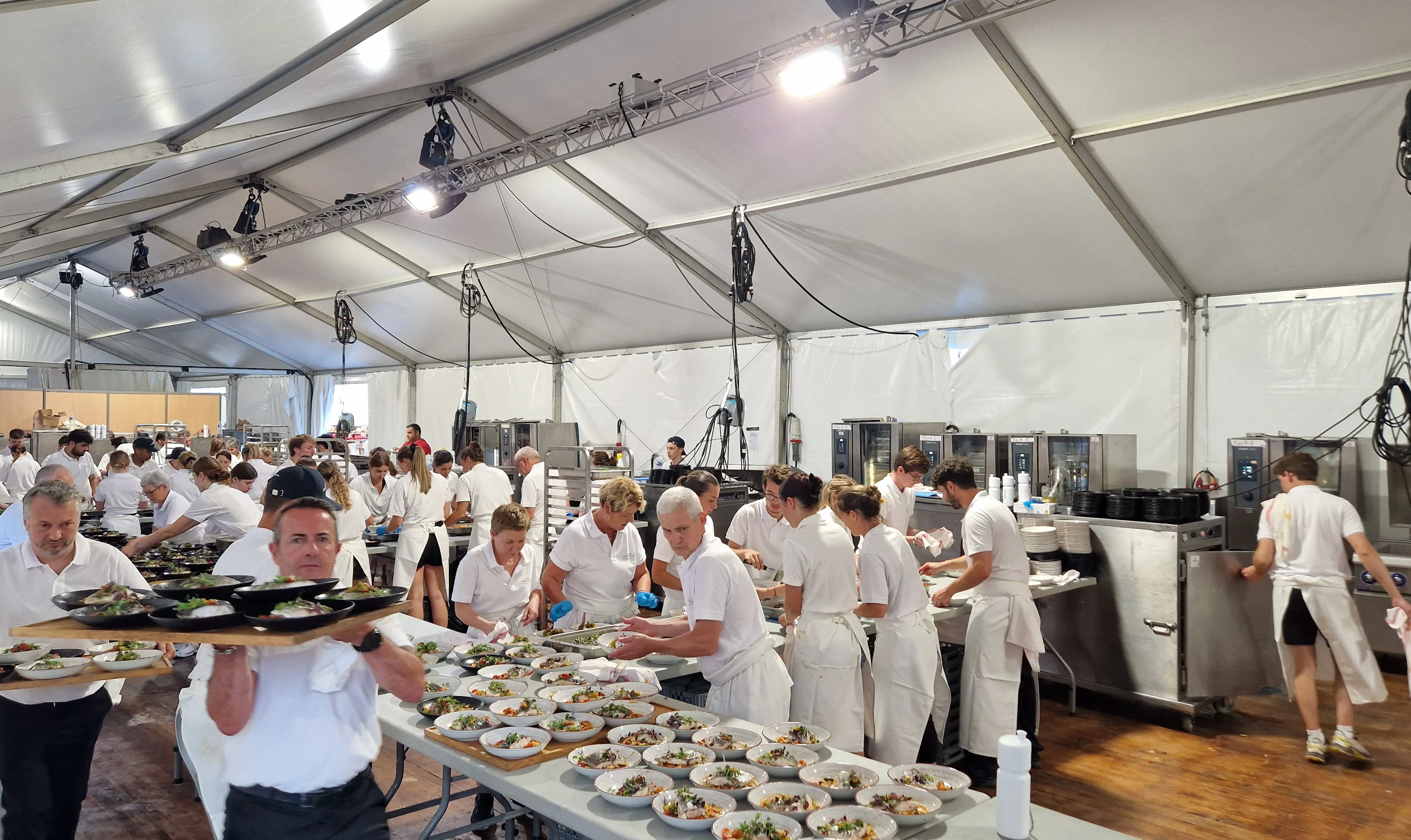
For example, a modular kitchen designed for 100 guests will be compact but will include all the essential functional areas: cold storage, reheating stations, holding cabinets, and plating stations. For 500 guests, several modules will be assembled to separate the functional areas and allow for a continuous flow of dishes, with larger cold and hot storage capacities and plating stations suited to high-volume service.
Modules and equipment can be upgraded over time: it is possible to add ovens, increase storage capacity, or reorganize functional areas to meet future needs.
👉 Check out our modular setups for 100 and 500 guests.
Benefits of Modular Reheating Kitchens
Modularity enables rapid commissioning, business continuity during construction, precise sizing based on needs, and controlled investment. It combines performance, health and safety, and flexibility.
Modular solutions also help reduce environmental impact, as they eliminate the need for large-scale construction and can be reused or reconfigured for different sites.
H2 Ensuring the Continuity of Meal Service During Construction: The Case of the Matemale Multi-Purpose Childcare Center
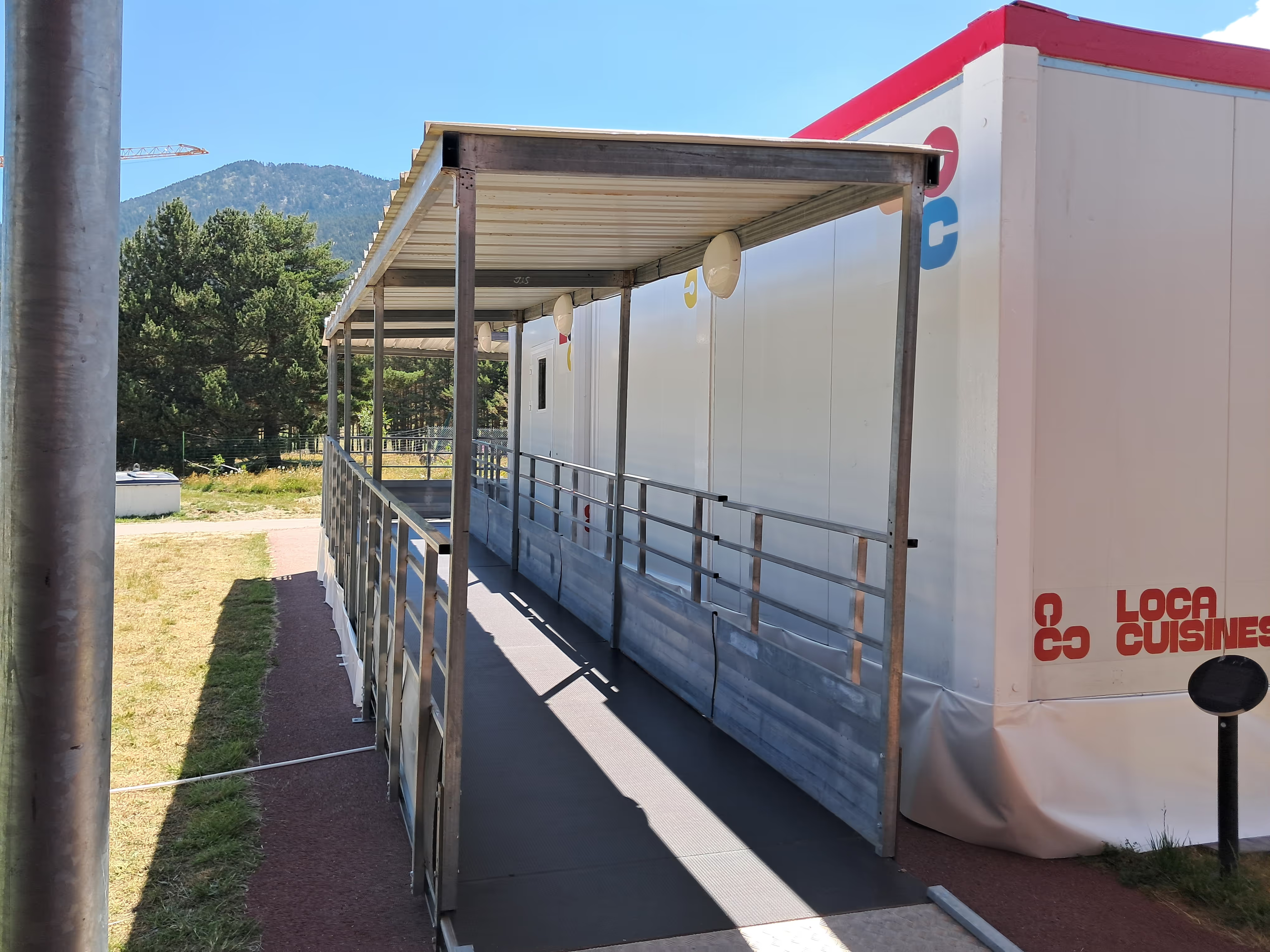
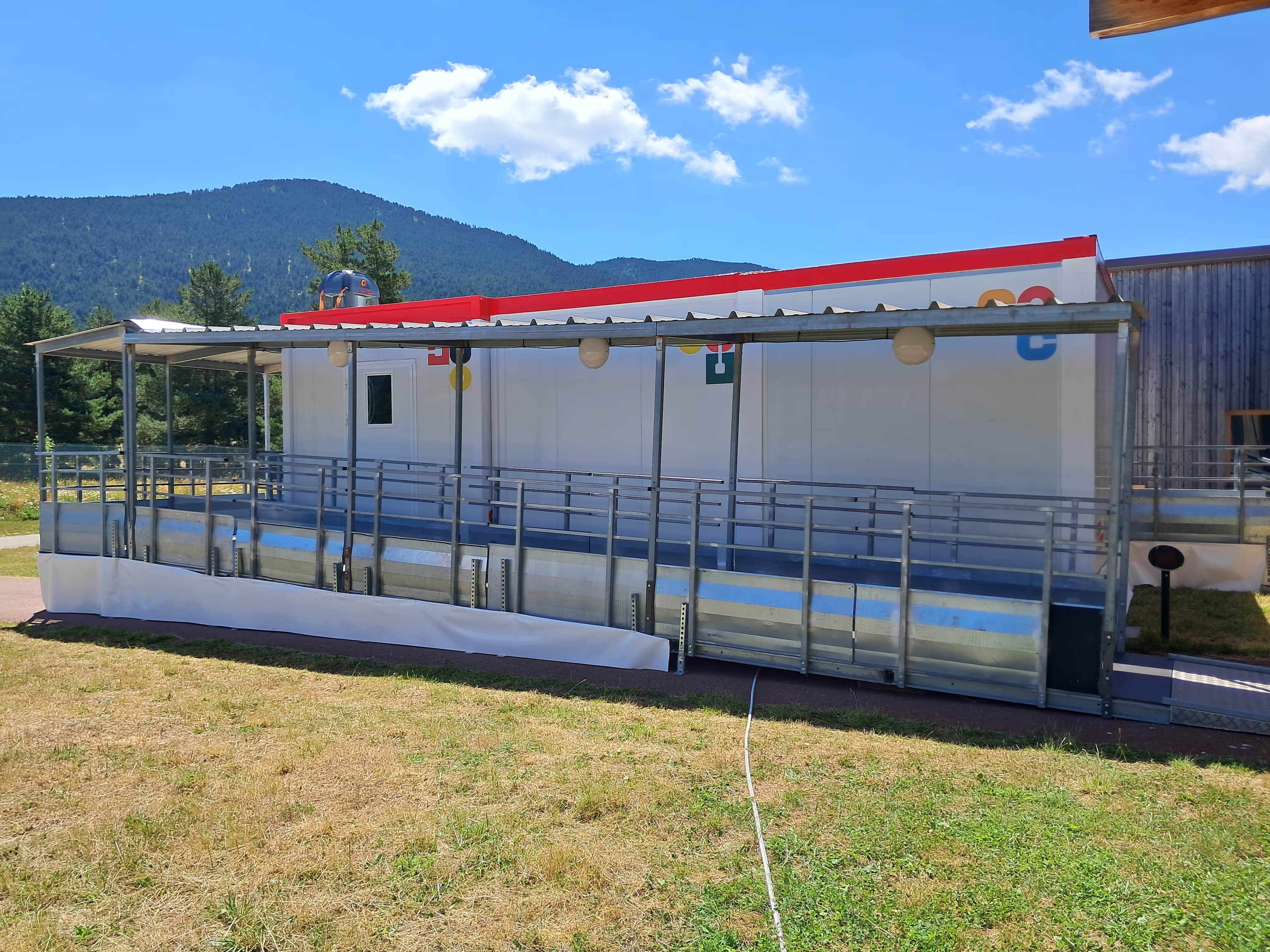
At the Capcir Garrotxes Multi-Care Center in Matemale (66), renovation work did not interrupt meal service thanks to the installation of a temporary modular kitchen. Even while schools were closed, the Pôle Enfance center remained fully operational, responsible for caring for and feeding the children.
Project Constraints
To ensure the continuity of the restoration work, several specific constraints had to be taken into account:
- Limited space on the site, requiring a compact and optimized configuration
- Very strict hygiene standards specific to early childhood care facilities
- Simplicity and operational efficiency for teams responsible for meal preparation
The LocaCuisines Modular Solution
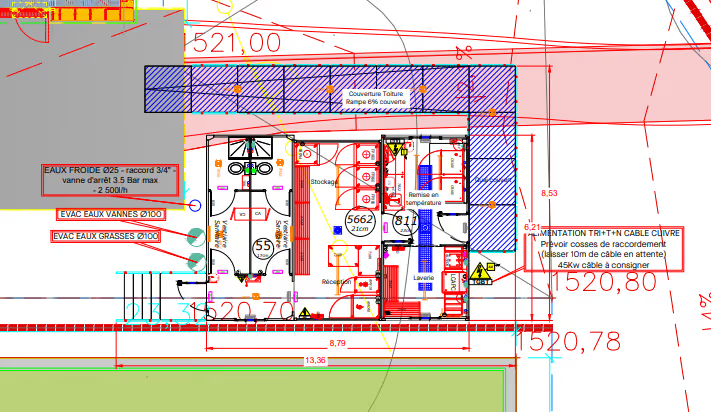
LocaCuisines proposed a modular kitchen consisting of three complementary modules:
- Staff locker rooms: a secure space for welcoming and preparing teams
- Receiving and Storing Food Products: A Module Optimized for Managing Deliveries and Storage
- Reheating and dishwashing: for meal preparation and cleaning, in accordance with hygiene standards
Each module has been designed to:
- Streamline operational workflow and traffic flow in a confined space
- Ensuring the comfort and safety of our teams
Maintaining a consistent level of service for the children
The entire installation was completed in just a few days, without disrupting the center’s operations. As a result, the modular kitchen remained in use throughout the duration of the work, ensuring seamless continuity of the food service.
Modular Reheating Station
The reheating kitchen is a strategic component of institutional food service. It ensures safety, quality, and the smooth flow of service. Its modular design and rental options make it possible to scale and adapt the solution to technical constraints, the number of guests, and temporary or evolving needs.
To discuss your project and take advantage of our expertise, contact LocaCuisines today.


.png)


.webp)
.avif)



.avif)

%20(1).avif)